Latest technical article
Concrete Technology & Admixture Consultant
Concrete technology · Technical consulting · Applied knowledge
Hossein Barzegar is a concrete technology specialist, industry practitioner, technical educator, author, and consultant focused on mixture proportioning, admixtures, quality control, durability, and troubleshooting.

Areas of focus
Technical content and consulting are organised around the connected decisions that influence fresh-concrete behaviour, hardened-concrete performance, repeatability, and service life.
View all areas of expertiseBalancing constituent materials, performance requirements, practical constraints, and verification data.
Examining compatibility, dosage response, workability retention, and interactions with cementitious systems.
Connecting batching, sampling, testing, variability, and corrective action to reliable concrete production.
Framing performance problems, testing plausible causes, and defining proportionate technical responses.
Latest technical article
Consulting services
Each engagement should be matched to the available evidence, decision timeline, and level of verification the project requires.
Review consulting servicesReview of project requirements, constituent data, trial results, and production constraints to identify practical next steps.
Structured evaluation of compatibility, dosage response, workability retention, and observed production behaviour.
Evidence-led investigation of variability, fresh-concrete behaviour, strength development, and production control.
Focused learning for production, laboratory, technical, and project teams, scoped to the audience and operating context.
Working process
The process separates observations from assumptions, makes data gaps visible, and records limitations before recommendations are made.
Clarify the performance question, project constraints, applicable requirements, and the decision that the review must support.
Examine mixture data, material information, test methods, production records, site observations, and known changes.
Test competing explanations against the available evidence and distinguish immediate controls from changes that require trials.
Provide a clear record of findings, limitations, priority actions, and the verification needed before implementation.
Recommendations depend on the quality and completeness of project information. Changes to materials or proportions should be verified through appropriate trials, testing, and project controls.
Technical library
Practical explanations of concrete materials, production decisions, testing, durability, and performance problems.
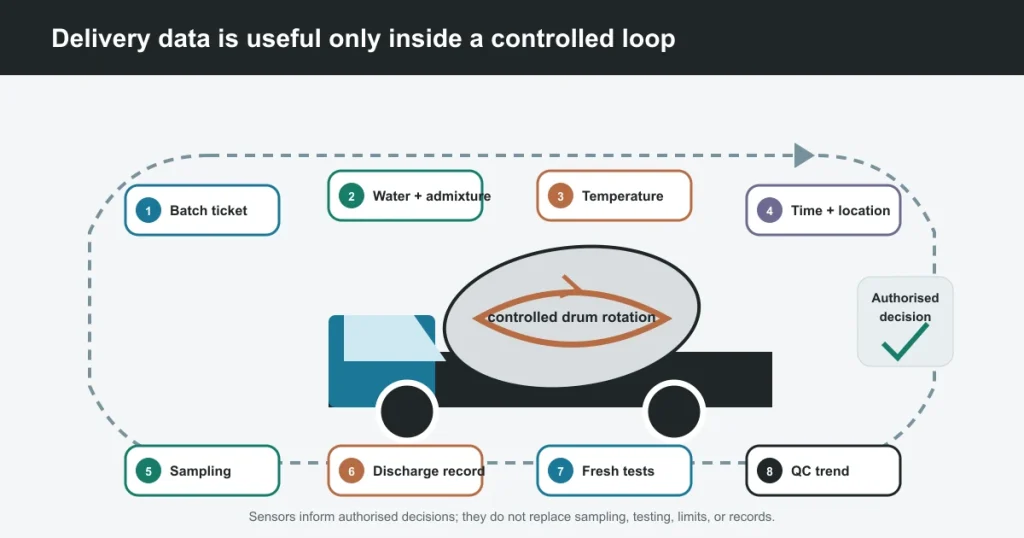
Understand truck-mixer components, mixing and agitation, telematics, controlled adjustments, delivery records, inspection, and operating limits.
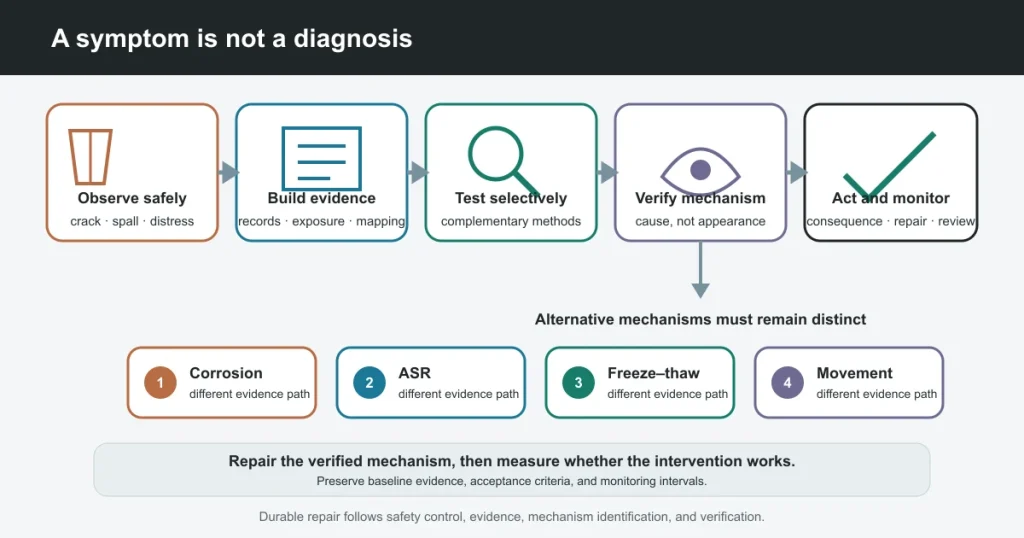
Understand what “concrete cancer” can mean, how deterioration is assessed, why symptoms are not diagnoses, and how durable repair and prevention are planned.
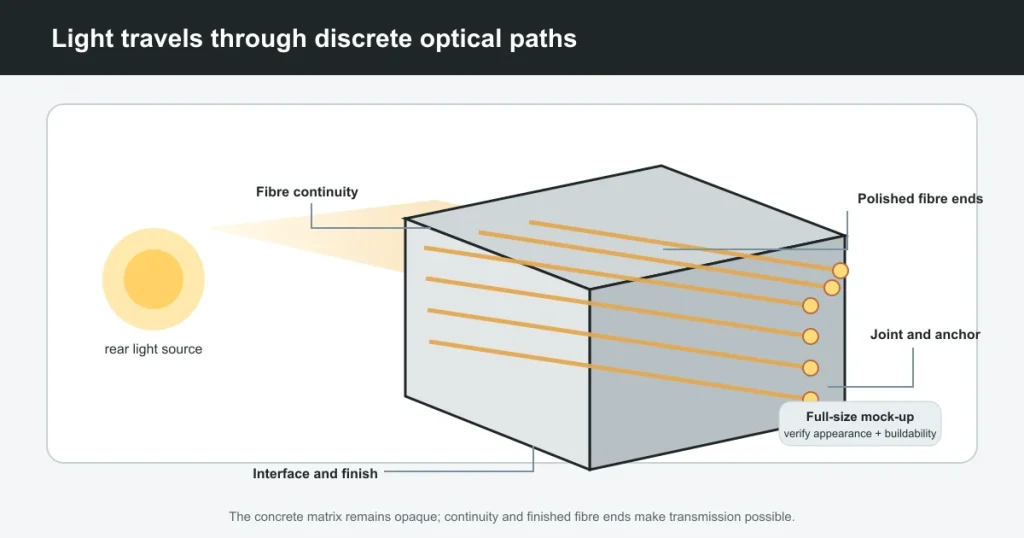
Learn how light-transmitting concrete uses optical paths, how panels are manufactured, what must be tested, and where architectural applications make sense.

About the author
A concrete technology specialist, industry practitioner, technical educator, author, and consultant with a focus on concrete admixtures, mixture proportioning, quality control, durability, and troubleshooting.
Evidence first
Recommendations should be tied to observed data and defined assumptions.
Limits stated
Uncertainty, data gaps, and required verification remain visible.
Practice connected
Technical reasoning is related to production and project decisions.
Technical consultation
Share the decision you need to make, the evidence currently available, and the project timeline. The appropriate review scope can then be defined.